Ventilator training is an important skill for healthcare professionals, specifically nurses, respiratory system therapists, and emergency situation medical employees. As the need for ventilator assistance boosts, especially in important treatment settings, thorough training programs are coming to be significantly crucial. In this post, we will check out every little thing from the essentials of ventilator operation to advanced ventilation methods. By the end of this trip via ventilator training, you'll not only recognize just how to use a ventilator properly but also be geared up with the understanding required for respiratory tract monitoring and ventilation.
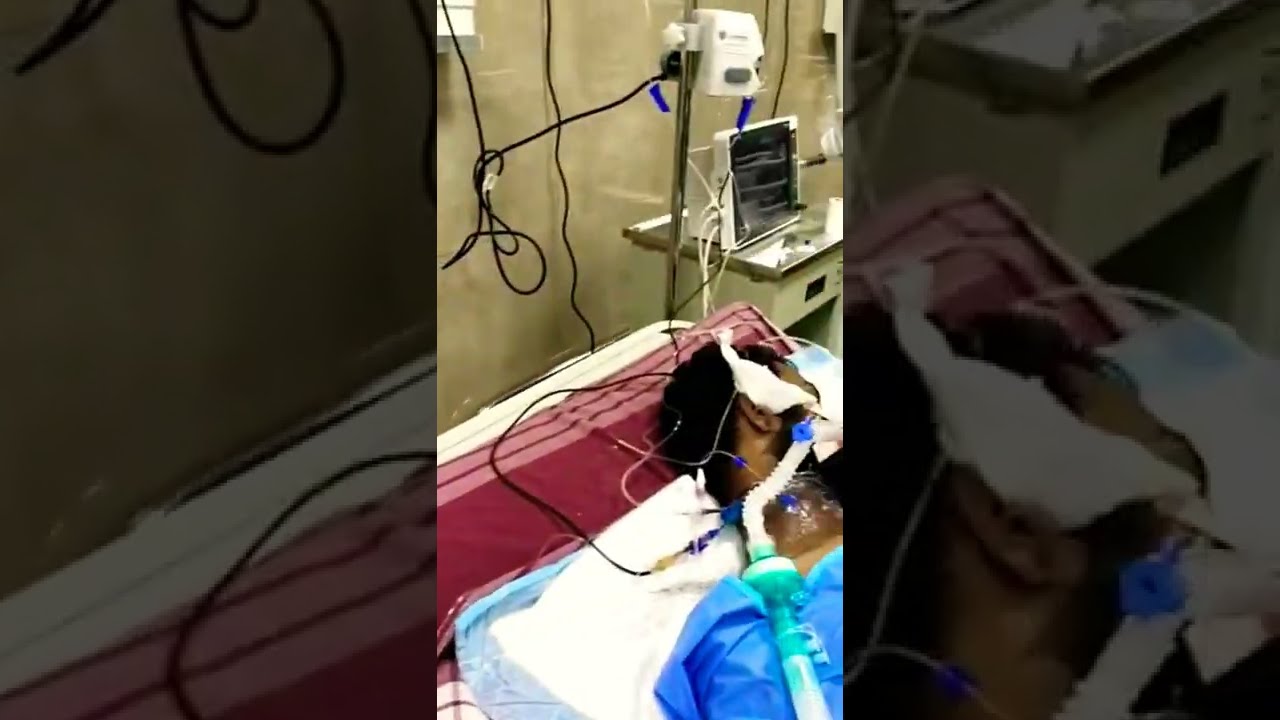
Understanding Ventilator Basics
What is Ventilator Support?
Ventilator support refers to the mechanical support provided to people that are incapable to breathe properly by themselves. This assistance can be life-saving and is crucial in managing problems like acute breathing distress syndrome (ARDS), persistent obstructive pulmonary illness (COPD), and pneumonia.

Why is Ventilator Training Important?
As medical care progresses, so does the complexity of person treatment. Ventilators are innovative makers that call for operators to understand different modes of air flow, settings adjustments, and patient tracking. Appropriate training makes sure patient safety and security and reliable management of respiratory system failure.
Basic Ventilator Course Overview
A standard ventilator training course usually covers basic ideas such as:
- Anatomy of the breathing system Types of ventilators Basic settings: tidal quantity, rate, and stress support Understanding alarm systems and fixing usual issues
These fundamental aspects are vital for any individual getting in the field or refreshing their knowledge.
Types of Air flow Techniques
Invasive vs. Non-invasive Ventilation
Invasive ventilation entails placing an endotracheal tube right into a client's respiratory tract, while non-invasive air flow makes use of masks or nasal prongs. Recognizing these differences assists healthcare providers pick the appropriate method based upon patient needs.
Modes of Mechanical Ventilation
Mechanical ventilators can operate in different settings, consisting of:
- Assist-Control (AC): The maker offers breaths at an established rate however permits individuals to start extra breaths. Synchronized Periodic Necessary Ventilation (SIMV): The maker provides a combination of mandatory breaths and enables spontaneous breathing. Pressure Assistance Air flow (PSV): The ventilator assists each breath started by the patient as much as a fixed stress level.
Knowing when to make use of each setting is important for efficient ventilation management.
Ventilation Training Courses Available
Overview of Ventilation Training Programs
Numerous organizations offer ventilation training courses focused on different degrees of experience:
Basic ventilator programs focus on amateur users. Advanced training courses delve into complicated scenarios entailing ARDS and tracheostomy considerations. Specialized programs target specific areas like pediatric medicines or emergency situation medicine.Choosing the right program is necessary for profession advancement and individual treatment proficiency.
NDIS Ventilation Training Courses
For medical care employees involving with patients under Australia's National Disability Insurance policy System (NDIS), specialized NDIS ventilation training courses give customized education and learning regarding one-of-a-kind demands related to special needs services.
Hands-on Experience: Practical Abilities in Ventilator Training
Simulation-Based Understanding Opportunities
Many education programs incorporate simulation-based discovering where participants practice real-life circumstances utilizing high-fidelity mannequins or online reality systems. This hands-on experience enhances comprehension and constructs confidence.
Tracheostomy and Ventilator Training Integration
Understanding both tracheostomy care and mechanical ventilation is vital given that lots of individuals with long term respiratory failing may call for a tracheostomy tube for airway administration. Integrated training programs cover both aspects thoroughly.
Advanced Methods in Airway Management and Ventilation
Advanced Modes of Mechanical Support
Once you're comfortable with basic modes of ventilation, it's time to study innovative strategies such as:
- Volume-targeted ventilation Adaptive assistance ventilation High-frequency oscillatory ventilation
These techniques need much deeper understanding but can substantially improve person outcomes when utilized appropriately.
Ventilator Stress Assistance Explained
One essential principle in innovative techniques is recognizing ventilator pressure assistance-- the stress assist supplied throughout spontaneous breaths. It's important for lowering the work of breathing while ensuring appropriate oxygenation.
Monitoring People on Mechanical Ventilation
Key Specifications in Client Monitoring
Monitoring individuals on mechanical ventilation includes examining numerous parameters:
Oxygen saturation levels End-tidal carbon dioxide (ETCO2) Respiratory rate Tidal volume deliveredContinuous surveillance enables fast intervention if problems arise.
Recognizing Alarm systems: What They Mean?
Understanding various alarm signals from a ventilator-- such as high-pressure alarms or reduced tidal quantity alarms-- helps medical professionals respond quickly to prospective issues influencing individual safety.
Troubleshooting Typical Issues Throughout Ventilation Training
What Occurs When Alarms Sound?
When alarm systems activate during mechanical ventilation, it might indicate troubles ranging from circuit leaks to person interferences. Quick assessment abilities are essential for fixing these circumstances efficiently.

Common Scientific Circumstances & Solutions
Examples consist of:
- Patient pain as a result of inappropriate settings. Alarms indicating hypoxia or hypercapnia. Strategies need to focus on recognizing root causes prior to applying remedies quickly.
The Function of Synergy in Air Passage Management and Ventilation
Interdisciplinary Collaboration Essentials
Effective air passage management frequently requires synergy among numerous health professionals-- nurses, respiratory specialists, doctors-- to ensure comprehensive care delivery strategies are used harmoniously throughout crucial situations.
Case Research studies Showing Team Dynamics
Analyzing case studies where effective partnership brought about improved person results highlights the relevance of communication skills together with technological know-how in air passage management and air flow contexts.
FAQs About Ventilator Training
What is covered in a basic ventilator course?- A standard ventilator program usually includes makeup testimonial, kinds of ventilators, standard setups adjustments, alarm system reactions, and troubleshooting skills.
- Most training courses vary from eventually for standard training to numerous weeks for advanced programs depending upon web content depth.
- Yes! Many trustworthy programs include simulation-based practice with mannequins or unique equipment for experiential learning.
- Generally speaking, individuals ought to have finished a basic course or have relevant scientific experience before participating in sophisticated sessions.
- Absolutely! Several organizations now offer online components that incorporate both academic understanding in addition to useful applications via virtual simulations.
- If you work within Australia's NDIS structure specifically focusing on people with disabilities needing assisted breathing technologies; this specialized program addresses one-of-a-kind considerations relevantly customized towards that market's needs effectively!
Conclusion
Ventilator training includes a substantial array of expertise-- from fundamental functional concepts through complex treatment techniques-- all essential for healthcare providers ndis accredited ventilation courses collaborating with seriously ill individuals calling ventilator pressure support for mechanical support systems properly took care of throughout their keep within intensive care units or beyond! By pursuing extensive education-- including hands-on experiences-- you'll not only improve your skills however contribute meaningfully towards enhancing total person outcomes throughout varied scientific circumstances came across daily! Accept this journey; begin today!
With diligent initiative concentrated on mastering both fundamental principles along with sophisticated methodologies presented throughout "From Basics To Advanced Techniques: Your Trip Through Ventilator Training," practitioners create self-confidence utilizing various forms necessary handling airways properly while making certain optimal degrees preserved consistently throughout treatments administered daily! Don't think twice-- begin your exploration now!